

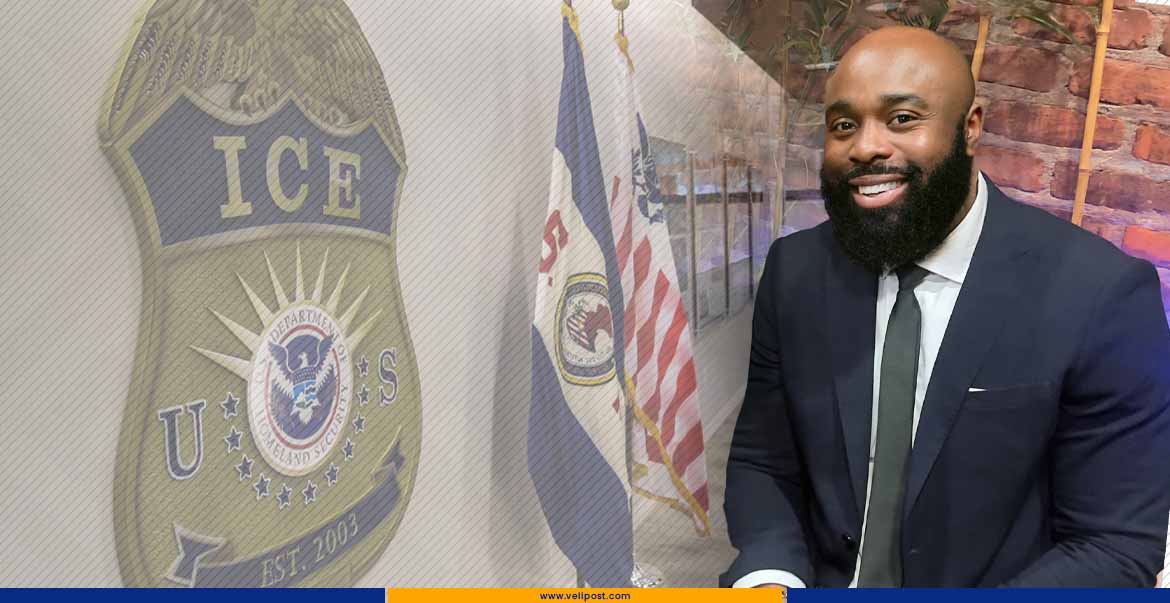
Since its creation in 2003, Immigration and Customs Enforcement (ICE) has been a key institution in managing immigration and safeguarding national security in the United States. Its role is to enforce immigration and customs laws while preserving national sovereignty. However, its impact on the fundamental rights of individuals, particularly migrants, has sparked intense debate. As an engaged observer, I acknowledge the importance of ICE’s mission, but I also stress the urgency of ensuring that its practices align with human rights standards. This article explores this duality by drawing on the principles of the Universal Declaration of Human Rights and the family values held dear in the United States.
The Role of ICE and Its Impact on Human Rights
ICE has two primary functions in the American immigration system:
• Enforcement and Removal Operations (ERO): Responsible for the arrest and deportation of undocumented immigrants, focusing on those deemed a threat to public safety.
• Homeland Security Investigations (HSI): Investigates crimes such as human trafficking, smuggling, money laundering, and cybercrime.
While these missions are essential to maintaining national security, they must be carried out with respect for fundamental human rights. In this regard, Article 1 of the Universal Declaration of Human Rights (UDHR) states:
“All human beings are born free and equal in dignity and rights. They are endowed with reason and conscience and should act towards one another in a spirit of brotherhood.”
This principle emphasizes that every action, including those undertaken by ICE, must respect the inherent dignity of every individual, regardless of their immigration status.
ICE’s Practices: Balancing Security and Controversy
Preventing Criminal Activities
ICE actively combats:
• Human trafficking and the exploitation of workers.
• Smuggling networks that bring drugs and weapons into the U.S.
While these actions are critical for protecting American citizens, they have occasionally led to abuses and violations of migrants’ rights.
Impact on Families
ICE has often been criticized for operations that result in family separations. These practices contradict universal family values and fundamental rights, as recognized in Article 16 of the UDHR, which states:
“The family is the natural and fundamental group unit of society and is entitled to protection by society and the State.”
In the United States, family separation policies, particularly under the Trump administration, deeply affected thousands of families, creating intergenerational trauma.
Controversies and Criticism
Questionable Practices
Under Donald Trump’s “zero tolerance” policy, families were separated at the border, leaving children in overcrowded detention centers. These practices were widely condemned by international human rights organizations.
Violation of Core Principles
Conditions in ICE-managed detention centers have been deemed inhumane. Reports have documented overcrowding, limited access to healthcare, and cases of psychological abuse.
A Misguided Perception of National Security
While national security is paramount, ICE’s sometimes overly aggressive approach has fostered fear within immigrant communities, challenging the U.S.’s image as a land of freedom and opportunity.
Proposals for Humane Reform of ICE
As an engaged advocate, I propose reforms that would enable ICE to fulfill its mission while respecting human dignity:
1. Revising Detention Practices: Ensure detention centers meet international human rights standards.
2. Focusing on Real Threats: Direct efforts toward individuals who pose a genuine danger to public safety rather than targeting undocumented migrants with no criminal records.
3. Guaranteeing Family Unity: Adopt policies that protect family unity, in line with human rights principles.
4. Human Rights Training: Train ICE agents to operate in compliance with democratic values and universal rights.
5. Increased Transparency: Publish regular reports on ICE’s activities to allow independent oversight and prevent abuse.
Recent Statements by Donald Trump: Firmness and Controversy
During his second term, Donald Trump intensified his rhetoric on immigration, drawing criticism for his perceived lack of humanity.
Recent Examples:
• Threats Against Sanctuary Cities: Trump threatened to cut federal funding for cities refusing to cooperate with ICE, creating a climate of fear among immigrants.
• Suspension of Asylum Rights: By temporarily suspending asylum access for migrants at the southern border, Trump endangered thousands of people fleeing conflict and persecution.
• “Migrants Are a Threat”: In several speeches, Trump referred to migrants as “a threat to national security,” a rhetoric that reinforces negative stereotypes and deepens polarization.
These statements and policies have exacerbated social tensions while violating the principles of fraternity and human dignity.
Balancing Security and Human Rights
ICE plays a crucial role in national security and immigration law enforcement. However, it is imperative that its actions respect fundamental human rights. By adhering to the principles of the Universal Declaration of Human Rights and the core values of American society, it is possible to create immigration policies that are both firm and humane.
Protecting citizens’ safety while respecting human dignity is no simple task, but it is essential for preserving the moral integrity of the United States. The future of ICE, and by extension, the future of immigration in this country, lies in striking a balance between firmness and humanity, honoring the dignity of every person.
Jonas Alce,
Professional journalist
Jonasalce22@gmail.com